

- Introduction to Energy Saving Smart Homes
- Smart Thermostat Systems That Learn Your Schedule
- Intelligent Lighting and Appliance Management
- Monitoring, Analytics, and Future-Ready Systems
- Frequently Asked Questions
- How much can an energy saving smart home actually save?
- Do smart home energy systems require professional installation?
- What’s the typical payback period for an energy saving smart home investment?
- Related Reading
- Related Articles
Introduction to Energy Saving Smart Homes
An energy saving smart home represents the future of residential living, where cutting-edge technology meets environmental responsibility. By integrating intelligent devices throughout your house, you can dramatically reduce energy consumption while maintaining optimal comfort levels. Smart home systems learn your habits, adjust settings automatically, and provide real-time insights into your energy usage—all designed to lower your utility bills and shrink your carbon footprint.
The investment in an energy saving smart home pays dividends through reduced monthly expenses, increased property value, and the satisfaction of contributing to a more sustainable future. Whether you’re building a new home or retrofitting an existing one, smart energy solutions are more affordable and accessible than ever before.
Smart Thermostat Systems That Learn Your Schedule
The cornerstone of any energy saving smart home is an intelligent thermostat. These devices go far beyond simple temperature control—they learn your daily schedule, adjust heating and cooling automatically, and allow remote management from your smartphone. Smart thermostats can reduce heating and cooling costs by up to 15% annually by optimizing temperature settings based on occupancy patterns and weather forecasts.
Modern smart thermostats feature geofencing technology that detects when family members leave home and adjusts temperatures accordingly. During winter, the system maintains lower temperatures when everyone is away, then warms up before you return. In summer, air conditioning cycles down when no one is home. Some models even integrate with weather data to anticipate temperature changes and adjust preemptively.
Installation is straightforward for most homes, and the devices provide detailed energy reports showing exactly how much you’re saving each month. This transparency helps you understand consumption patterns and identify additional optimization opportunities throughout your energy saving smart home.

Intelligent Lighting and Appliance Management
Smart lighting systems contribute significantly to energy savings by automating when and how brightly lights operate. Connected LED bulbs adjust brightness based on natural daylight availability and occupancy sensors ensure lights turn off automatically in unoccupied rooms. Smart switches can control entire rooms or zones with customized schedules that adapt to seasonal changes.
Beyond lighting, an energy saving smart home includes smart plugs and connected appliances that monitor power consumption. Smart refrigerators, washing machines, and dishwashers run during off-peak electricity hours when rates are lowest, while smart water heaters heat water only when needed. Smart power strips eliminate phantom loads by cutting power to devices in standby mode, recovering wasted energy that typically accounts for 5-10% of household consumption.
Smart home hubs coordinate these devices through unified platforms, allowing you to set comprehensive energy-saving scenes. An “Away” scene might turn off unnecessary lights, adjust the thermostat, and disable appliances, while an “Evening” scene establishes comfort-focused settings with optimized energy efficiency.

Monitoring, Analytics, and Future-Ready Systems
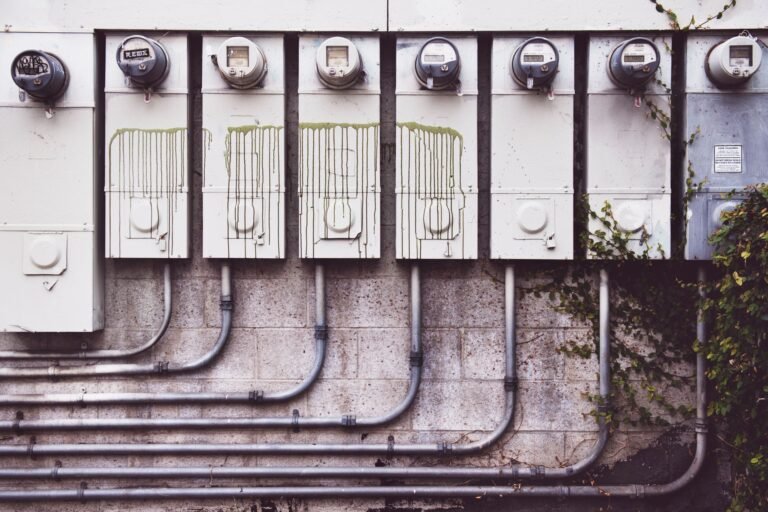
Real-time energy monitoring is crucial in an energy saving smart home. Smart meters and home energy management systems display live consumption data, helping you identify which devices consume the most power. This information empowers better usage decisions and reveals optimization opportunities you might otherwise miss.
Advanced energy saving smart home systems integrate renewable energy sources like solar panels, managing battery storage and grid interactions intelligently. These systems maximize self-consumption of generated power and can even return excess energy to the grid while earning credits on your utility bill.

Frequently Asked Questions

How much can an energy saving smart home actually save?
Most households report 10-23% reductions in annual energy costs, with savings varying based on climate, existing infrastructure, and system sophistication. Heating and cooling typically account for the largest savings.
Do smart home energy systems require professional installation?
Many smart devices are DIY-friendly, though complex integrations and thermostat replacements may require professional help. Most installations take only a few hours.
What’s the typical payback period for an energy saving smart home investment?
Most systems pay for themselves within 2-5 years through utility savings, with benefits continuing indefinitely afterward.
Make Your Home Smarter
Device reviews, automations, and the deals worth grabbing.
Enjoyed this article?
Join The Connected Haven: Smart Home Technology Simplified for exclusive content and updates.
Subscribe Free