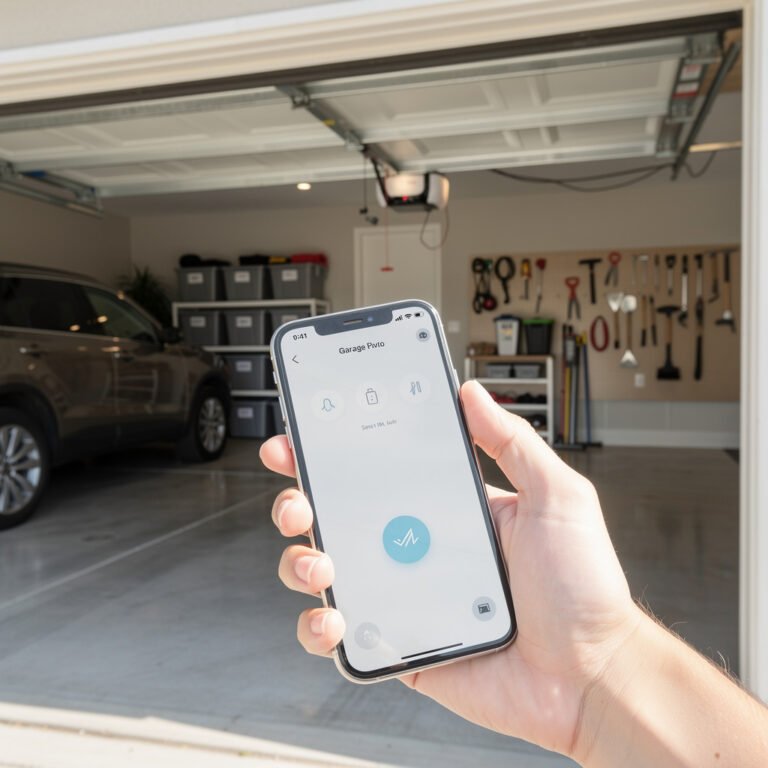


Smart plugs are the most affordable entry point into home automation—and they might just be the most versatile. For as little as $8, you can transform any “dumb” device into a smart one that you can control with your voice, phone, or automated schedules. Whether you want to turn off forgotten appliances remotely, automate your morning coffee routine, or monitor energy usage, smart plugs deliver serious value without requiring professional installation or rewiring.
After testing dozens of models across every major ecosystem, we've identified the best smart plugs for 2025 based on reliability, features, ease of use, and value. Here's what you need to know.
Quick Picks: Best Smart Plugs at a Glance
| Category | Product | Price | Best For |
|---|---|---|---|
| Best Overall | TP-Link Kasa Smart Plug Mini (EP10) | $9 | Compact design, works everywhere |
| Best Value | Amazon Smart Plug (4-Pack) | $24.99 | Budget-conscious Alexa users |
| Best Outdoor | TP-Link Kasa Outdoor Smart Plug | $24 | Weather-resistant dual outlets |
| Best Energy Monitoring | TP-Link Kasa Smart Plug (EP25) | $17 | Track and reduce energy costs |
| Best for Apple HomeKit | Wemo Smart Plug | $24 | Native HomeKit support |
| Best Mini Design | Wyze Plug | $8 | Ultra-compact, ultra-affordable |
| Best Power Strip | TP-Link Kasa Smart Power Strip | $34 | Multiple devices, one outlet |
| Best for Heavy Appliances | Emporia Smart Plug | $17 | 15A rating for space heaters |
Best Smart Plugs by Category: Detailed Reviews
Best Overall: TP-Link Kasa Smart Plug Mini (EP10) – $9
Why it wins: The Kasa Smart Plug Mini strikes the perfect balance between size, features, and price. Its compact design won't block adjacent outlets, and it works seamlessly with Alexa, Google Home, and SmartThings (though not Apple HomeKit). Setup takes under two minutes using the intuitive Kasa app.
Key Features:
- Compact design leaves adjacent outlets free
- 2.4GHz WiFi (no hub required)
- Voice control via Alexa and Google Assistant
- Scheduling and timer functions
- Away mode for vacation security
- 12A max load (1440W)
- UL certified for safety
Best for: Most people looking for a reliable, affordable smart plug that works with their existing ecosystem. Perfect for lamps, fans, coffee makers, and other medium-draw appliances.
Minor drawback: No energy monitoring on this model (upgrade to EP25 for that feature).
Best Value 4-Pack: Amazon Smart Plug (4-Pack) – $24.99
Why it wins: If you're already invested in the Alexa ecosystem, Amazon's own smart plugs offer unbeatable value in bulk. At just $6.25 per plug when bought in a 4-pack, they're the most affordable way to make your entire home smart.
Key Features:
- Certified for Humans—setup is truly foolproof
- Deep Alexa integration (works with Hunches and Routines)
- Compact design (won't block outlets)
- Simple app-free setup for Echo device owners
- Schedules, timers, and remote control
- 15A rating (1800W)
Best for: Alexa households looking to automate multiple devices on a budget. Ideal for whole-home deployment.
Important limitation: Alexa-only. No Google Home or HomeKit support.
Best Outdoor: TP-Link Kasa Outdoor Smart Plug (KP400) – $24
Why it wins: The KP400 features two independently controlled outlets in a weatherproof IP64-rated housing. It's built to withstand rain, snow, dust, and extreme temperatures from -4°F to 122°F.
Key Features:
- Two outlets, individually controlled
- IP64 weather resistance rating
- 6-foot heavy-duty power cord
- Works with Alexa, Google Home, SmartThings
- Sunrise/sunset scheduling for landscape lighting
- 15A per outlet (1875W total)
- Grounded 3-prong outlets
Best for: Outdoor string lights, fountains, pool pumps, holiday decorations, and landscape lighting. The dual outlets mean you can control two separate devices or zones.
Pro tip: Use the sunrise/sunset automation to have your outdoor lights turn on automatically as it gets dark—no more manual switches.
Best Energy Monitoring: TP-Link Kasa Smart Plug (EP25) – $17
Why it wins: The EP25 adds real-time energy monitoring to the proven Kasa Mini design. Track exactly how much power your devices consume, identify energy vampires, and reduce your electricity bill with data-driven decisions.
Key Features:
- Real-time energy monitoring in the Kasa app
- Historical usage data (daily, weekly, monthly)
- Power consumption alerts
- Estimated cost tracking
- All the features of the EP10 (scheduling, voice control, etc.)
- 15A max load (1800W)
- Compact, outlet-friendly design
Best for: Anyone curious about their energy usage or looking to identify which devices are driving up their electric bill. Perfect for always-on devices like refrigerators, freezers, dehumidifiers, and entertainment centers.
Real-world benefit: Users report discovering that old appliances consume far more power than expected, leading to upgrades that pay for themselves in energy savings.
Best for Apple HomeKit: Wemo Smart Plug – $24
Why it wins: The Wemo Smart Plug is one of the few options with native HomeKit support, allowing full integration with Apple's Home app, Siri, and HomeKit automations—no third-party bridges required.
Key Features:
- Native Apple HomeKit support
- Also works with Alexa and Google Home
- Thread-ready for Matter compatibility
- Scheduling and automation in Home app
- Away mode for security
- 15A rating (1800W)
- 2.4GHz WiFi
Best for: iPhone users who want seamless Siri control and native Home app integration. Ideal for HomeKit-centric smart homes.
Bonus: Thread support means this plug is future-proofed for Matter, the new universal smart home standard.
Best Mini Design: Wyze Plug – $8
Why it wins: At just $8, the Wyze Plug is the most affordable quality smart plug on the market. Despite the low price, it doesn't compromise on features or reliability.
Key Features:
- Ultra-compact design
- Works with Alexa and Google Assistant
- Vacation mode for randomized lighting
- Scheduling and timers
- Wyze app integration with other Wyze devices
- 15A max load (1800W)
- Easy setup via Wyze app
Best for: Budget-conscious buyers or anyone who wants to test smart home automation without a big investment. Perfect for renters or first-time smart home users.
Trade-off: The Wyze app isn't as polished as Kasa or Amazon's, but it gets the job done.
Best Power Strip: TP-Link Kasa Smart Power Strip (HS300) – $34
Why it wins: Why use multiple smart plugs when you can control six outlets and three USB ports from a single power strip? The HS300 offers individual control for each outlet plus energy monitoring for the entire strip.
Key Features:
- 6 individually controlled smart outlets
- 3 always-on USB charging ports
- Energy monitoring for each outlet
- Surge protection (1710 joules)
- 4-foot heavy-duty power cord
- Works with Alexa, Google Home, SmartThings
- 15A total rating
Best for: Entertainment centers, home offices, or anywhere you need to control multiple devices. Create custom automation groups (turn off all “entertainment” outlets at bedtime).
Practical example: Set your TV, soundbar, and gaming console to automatically turn off at midnight to prevent vampire power drain.
Best for Heavy Appliances: Emporia Smart Plug – $17
Why it wins: Most smart plugs max out at 15A, but high-draw appliances like space heaters, window AC units, and power tools need that full capacity with proper safety certifications. The Emporia plug is specifically designed for these demanding applications.
Key Features:
- Full 15A continuous rating (1800W)
- Real-time energy monitoring
- Overload protection
- Works with Alexa and Google Home
- Scheduling and automation
- UL certified for safety
- ETL listed
Best for: Space heaters, window air conditioners, power tools, and other high-wattage devices. The energy monitoring helps you understand the true cost of running these appliances.
Safety note: Always verify your appliance's wattage before using any smart plug. Never exceed the plug's maximum rating.
Why You Need Smart Plugs: Real-World Use Cases
Smart plugs solve everyday problems in surprisingly useful ways:
Morning Automation
Program your coffee maker to start brewing 10 minutes before your alarm. Have your bedroom lamp gradually turn on to simulate sunrise. Warm up your bathroom space heater before you wake up.
Energy Savings
Eliminate vampire power drain by completely cutting power to devices that consume electricity even when “off”—TVs, game consoles, cable boxes, and phone chargers. Schedule energy-hungry devices like dehumidifiers to run during off-peak electricity hours.
Safety and Security
Create a “lived-in” look while on vacation with randomized lighting schedules. Turn off curling irons, space heaters, or other potentially dangerous appliances remotely if you forgot before leaving. Get alerts if high-draw appliances turn on unexpectedly.
Convenience
Control hard-to-reach lamps behind furniture. Turn off all lights from bed with a single voice command. Set up seasonal routines (Christmas lights on at sunset, off at 11 PM).
Extending Device Lifespan
Prevent overcharging of batteries by cutting power after a set time. Turn off always-on electronics during extended absences to reduce wear.
Energy Monitoring: Track and Reduce Your Usage
Energy-monitoring smart plugs provide granular visibility into your electricity consumption. Here's what you can learn:
- Identify energy vampires: Discover which devices consume power even when turned off
- Calculate true operating costs: See exactly what each appliance costs per day, month, or year
- Make informed upgrade decisions: Determine if an old refrigerator or dehumidifier is worth replacing
- Track usage patterns: Understand when and how much power you're consuming
- Set consumption alerts: Get notified if a device exceeds expected usage (potential malfunction)
Real example: Testing revealed that an old second refrigerator in a garage consumed $180/year in electricity—more than the cost of a new, efficient model. Energy monitoring paid for itself in the first year.
Indoor vs. Outdoor Smart Plugs: What's the Difference?
Indoor and outdoor smart plugs have crucial differences in weatherproofing and durability:
Indoor Smart Plugs
- No weather resistance
- Not suitable for moisture or extreme temperatures
- Typically more compact
- Lower cost
- Sufficient for controlled environments
Outdoor Smart Plugs
- IP rating: Look for IP64 or higher (dust-resistant and water-resistant)
- Temperature range: Typically -4°F to 122°F or wider
- Sealed outlets: Protective covers when not in use
- UV resistance: Won't degrade in sunlight
- Grounded outlets: Required for outdoor electrical safety
- Heavy-duty construction: Built to last outdoors year-round
Safety warning: Never use indoor smart plugs outdoors. The lack of weatherproofing creates serious shock and fire hazards.
Ecosystem Compatibility: Works With Everything
One of the best things about smart plugs is their broad compatibility. Most work with multiple ecosystems:
| Feature | Amazon Alexa | Google Home | Apple HomeKit | SmartThings |
|---|---|---|---|---|
| TP-Link Kasa (EP10/EP25) | ✓ | ✓ | ✗ | ✓ |
| Amazon Smart Plug | ✓ | ✗ | ✗ | ✗ |
| Wemo Smart Plug | ✓ | ✓ | ✓ | ✗ |
| Wyze Plug | ✓ | ✓ | ✗ | ✗ |
| Emporia Smart Plug | ✓ | ✓ | ✗ | ✗ |
Setup is universal: All plugs connect directly to your 2.4GHz WiFi network—no hub required. This makes them perfect for renters or anyone who wants simple, immediate functionality.
Matter compatibility: The Matter standard is bringing true universal compatibility to smart home devices. Several manufacturers, including Wemo, are adding Matter support via firmware updates. Check for “Matter-compatible” or “Thread-ready” labels when buying for future-proofing.
Safety Considerations: What You Need to Know
Wattage Limits
Every smart plug has a maximum wattage rating (usually 1440W to 1800W for 12A-15A plugs). Exceeding this creates fire and shock hazards.
Calculate your device's wattage:
Watts = Volts × Amps
Example: A 120V space heater drawing 12.5A = 1500W
High-wattage appliances to avoid with standard smart plugs:
- Electric water heaters
- Clothes dryers
- Electric ovens or ranges
- Welders or large power tools
- 240V appliances (smart plugs are 120V only)
UL Certification
Only buy smart plugs with UL or ETL safety certification. These independent testing organizations verify that plugs meet electrical safety standards. Uncertified plugs from unknown brands may use substandard components that can overheat or fail catastrophically.
Heat Buildup
High-draw appliances generate heat. Ensure smart plugs have adequate ventilation—don't bury them behind furniture or cover them with fabric.
Surge Protection
Most smart plugs don't include surge protection. For sensitive electronics, consider a smart power strip with built-in surge protection like the Kasa HS300.
Frequently Asked Questions
Do smart plugs use electricity when nothing is plugged in?
Yes, but minimally. Smart plugs consume about 1-2 watts to maintain their WiFi connection and standby functions. Over a year, this costs less than $2 per plug. The energy savings from eliminating vampire power drain from connected devices far exceeds this cost.
Can I use a smart plug with a power strip?
Yes, you can plug a regular power strip into a smart plug to control multiple devices with one plug. However, the entire power strip's load counts toward the smart plug's wattage limit. For more granular control, consider a smart power strip like the Kasa HS300 with individually controlled outlets.
Do smart plugs work without WiFi?
Smart plugs require WiFi for remote control and app access. If your WiFi goes down, you can still manually control the plug using its physical button (if it has one), but you'll lose voice control, automation, and remote access until WiFi is restored. Scheduled automations typically continue running even during brief WiFi outages.
Will smart plugs work with Alexa and Google Home simultaneously?
Yes. Most smart plugs (except Amazon's own) support multiple ecosystems simultaneously. You can control the same plug with both Alexa and Google Assistant, making them perfect for mixed-ecosystem households.
Can I use smart plugs for Christmas lights?
Absolutely. Smart plugs are perfect for holiday lighting. Indoor lights need indoor plugs; outdoor lights require outdoor-rated plugs with weatherproof enclosures. Use scheduling to automatically turn lights on at sunset and off at bedtime, or create voice commands like “Alexa, turn on Christmas lights.”
Final Verdict: Which Smart Plug Should You Buy?
For most people: Start with the TP-Link Kasa Smart Plug Mini (EP10) at $9. It's reliable, compact, and works with nearly every ecosystem. Buy several to automate your most-used devices.
For Alexa households: The Amazon Smart Plug 4-pack at $24.99 offers the best value. Setup is effortless, and deep Alexa integration unlocks advanced features.
For energy awareness: Invest in the TP-Link Kasa EP25 with energy monitoring for $17. You'll quickly identify which devices are costing you money and make informed decisions about upgrades or usage patterns.
For outdoor use: The TP-Link Kasa Outdoor Smart Plug (KP400) at $24 provides weather-resistant dual outlets perfect for landscape lighting, fountains, and seasonal decorations.
For Apple users: Choose the Wemo Smart Plug at $24 for native HomeKit support and future Matter compatibility.
Smart plugs are the easiest, most affordable way to begin your smart home journey. They require no installation, no hub, and no technical expertise—just plug in, connect to WiFi, and start automating. Whether you're looking to save energy, add convenience, or enhance home security, there's a smart plug that fits your needs and budget.
Start small with one or two plugs for your most-used devices. Once you experience the convenience of voice control and automation, you'll find yourself gradually adding more throughout your home. Before you know it, your coffee will brew itself, your lights will turn off automatically, and you'll wonder how you ever lived without them.