
Smart Home Foundations: Building Your Connected Infrastructure
Network Requirements and Wi-Fi 7 Integration
The backbone of any successful smart home lifestyle starts with robust network infrastructure. As we approach 2026, internet speed requirements have evolved significantly, with most connected homes needing at least 100 Mbps for seamless operation of multiple smart home devices. Wi-Fi 7 technology offers unprecedented speeds up to 46 Gbps and reduced latency, making it essential for homes with extensive automation systems.
Mesh network optimization becomes crucial when supporting dozens of smart home devices simultaneously. Modern mesh systems like the Eero Pro 7 or Netgear Orbi series provide comprehensive coverage while managing bandwidth allocation intelligently. These systems automatically prioritize critical devices like security cameras and smart locks while maintaining consistent performance across entertainment and comfort applications.
Essential Smart Home Hubs and Controllers
Smart home hubs serve as the central nervous system for your connected lifestyle. The compatibility between different protocols—Matter, Zigbee, and Z-Wave—determines how well your devices communicate. Matter protocol has emerged as the universal standard, allowing seamless integration across previously incompatible ecosystems.
Modern hubs like the SmartThings Station and Hubitat Elevation offer local processing capabilities, reducing dependence on cloud services and improving response times. These hubs can manage hundreds of devices while providing backup connectivity options and advanced automation capabilities that define the modern smart home lifestyle.
Choosing the Right Ecosystem Platform
Platform selection significantly impacts your smart home lifestyle experience. Apple HomeKit excels in privacy and seamless iPhone integration, while Google Home offers superior AI capabilities and voice recognition. Amazon Alexa provides the broadest device compatibility, and Samsung SmartThings delivers professional-grade automation features.
Budget planning for infrastructure investment typically ranges from $500 for basic setups to $5,000+ for comprehensive systems. Future-proofing considerations include selecting devices with firmware update capabilities and choosing platforms committed to long-term Matter protocol support.
Essential Smart Home Devices for Modern Living
Climate Control and Energy Management
Smart thermostats with AI learning capabilities form the cornerstone of comfortable, efficient living. Advanced models like the Nest Learning Thermostat and Ecobee SmartThermostat analyze occupancy patterns, weather forecasts, and energy pricing to optimize comfort while minimizing costs. These devices can reduce heating and cooling expenses by up to 23% annually.
Energy monitoring systems provide real-time insights into power consumption, enabling homeowners to identify inefficient appliances and optimize usage patterns. Smart home devices equipped with energy tracking capabilities can automatically adjust settings during peak pricing periods, significantly reducing utility bills while maintaining comfort levels.
Lighting Systems and Ambiance Control
Modern smart lighting transcends simple on/off controls, offering dynamic color temperature adjustment and circadian rhythm optimization. Philips Hue and LIFX systems can automatically adjust lighting throughout the day, supporting natural sleep cycles and improving overall well-being.
Automated lighting scenes enhance the smart home lifestyle by creating perfect ambiance for different activities—bright, cool lighting for work sessions, warm tones for relaxation, and gradual dimming for bedtime routines. Motion sensors and daylight harvesting features ensure optimal lighting while minimizing energy consumption.
Smart Appliances and Kitchen Technology
The connected kitchen represents a significant leap in culinary convenience and efficiency. Smart refrigerators with internal cameras allow remote inventory monitoring, while intelligent ovens can be preheated during commutes and provide cooking guidance through integrated displays.
Voice-controlled and app-managed kitchen appliances streamline meal preparation and cleanup. Smart dishwashers optimize water and energy usage based on load size and soil level, while connected coffee makers ensure fresh brew awaits your morning routine.
Entertainment and Media Integration
Whole-home audio systems and streaming integration create immersive entertainment experiences throughout connected homes. Sonos and Bose systems offer seamless multi-room audio with voice control capabilities, allowing music to follow users from room to room.
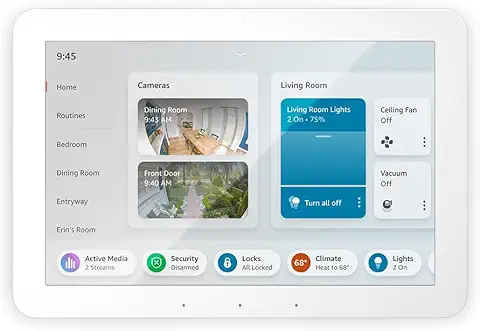
Smart displays and interactive mirrors provide information hubs in kitchens, bedrooms, and bathrooms. These devices integrate calendars, weather updates, news briefings, and video calls while serving as control centers for other smart home devices.
Advanced Security and Safety Features
Next-Generation Security Systems
Modern smart home security extends far beyond traditional alarm systems, incorporating AI-powered analytics and proactive threat detection. Smart locks with biometric access, such as fingerprint readers and facial recognition, provide keyless entry while maintaining detailed access logs for enhanced security monitoring.
4K security cameras with advanced night vision and weather resistance offer crystal-clear monitoring capabilities. These systems can distinguish between family members, visitors, and potential threats, sending targeted alerts and automatically adjusting security protocols based on occupancy status.
AI-Powered Monitoring and Alerts
Integrated safety systems combine smoke detectors, carbon monoxide monitors, and water leak sensors into comprehensive protection networks. These smart home devices communicate instantly with emergency services while providing real-time notifications to homeowners regardless of location.
Emergency response automation can unlock doors for first responders, turn on lights to guide evacuation routes, and automatically shut off utilities during detected emergencies. These features represent the pinnacle of proactive home safety in the connected smart home lifestyle.
Privacy Protection in Connected Homes
Data encryption and network security have become paramount concerns as homes become increasingly connected. Advanced security protocols, including WPA3 encryption and VPN capabilities, protect sensitive information from unauthorized access while maintaining seamless device connectivity.
Privacy settings and data sharing controls allow homeowners to customize information sharing preferences across different smart home device categories. Regular security audits and firmware updates ensure ongoing protection against emerging threats while preserving the convenience of connected living.

Check each product page for other buying options. Price and other details may vary based on product size and color.
Highly rated by customers for quality and value. Click to see current pricing and customer reviews.
More Top-Rated Options

Health and Wellness Integration
Air Quality and Environmental Monitoring
Smart air purifiers and environmental monitoring systems actively track and improve indoor air quality, addressing allergens, pollutants, and volatile organic compounds. These devices automatically adjust filtration levels based on real-time air quality measurements and can coordinate with HVAC systems for comprehensive air management.
Advanced humidity control systems maintain optimal moisture levels, preventing mold growth while ensuring respiratory comfort. Integration with weather data allows these systems to anticipate environmental changes and proactively adjust indoor conditions for optimal health and comfort.
Sleep Optimization Technology
Sleep tracking through mattress sensors and environmental adjustments represents a significant advancement in bedroom technology. Smart mattresses and sleep accessories monitor sleep patterns, heart rate, and breathing while automatically adjusting room temperature, lighting, and sound for optimal rest quality.
Circadian lighting systems gradually adjust color temperature throughout the evening, promoting natural melatonin production and improving sleep quality. These systems can coordinate with smart blinds to control natural light exposure and create ideal sleep environments.
Accessibility and Aging-in-Place Features
Voice assistants provide medication reminders, emergency assistance, and hands-free control of smart home devices for users with mobility limitations. Advanced systems can detect falls, unusual activity patterns, or missed routine activities and alert family members or healthcare providers.
Universal design principles in smart home implementation ensure accessibility across all age groups and ability levels. Large-button smart switches, voice-controlled lighting, and automated door locks enhance independence while providing peace of mind for family members.
Automation and AI-Driven Smart Home Lifestyle
Creating Intelligent Routines and Scenes
Modern automation systems learn from daily patterns to create intelligent routines that anticipate needs and preferences. Morning routines might gradually increase lighting, start coffee brewing, provide weather and traffic updates, and adjust thermostat settings based on the day's schedule.
Seasonal automation adapts to changing daylight hours, weather patterns, and activity preferences. These systems can automatically switch between heating and cooling modes, adjust landscape lighting schedules, and modify security monitoring based on vacation schedules or seasonal occupancy changes.
Predictive Automation and Machine Learning
Geofencing and presence-based triggers enable homes to respond intelligently to family members' locations and routines. Systems can begin heating or cooling homes during commute times, ensure security systems are armed when everyone leaves, and have lights and music ready upon arrival.
AI systems learn individual and family preferences over time, automatically adjusting lighting intensity, music selection, and climate settings based on time of day, weather conditions, and historical preferences. This predictive capability represents the future of personalized smart home living.
Voice Control and Natural Language Processing
Advanced voice commands and conversational interfaces allow natural communication with smart home systems. Users can make complex requests like “prepare the house for movie night” or “set up tomorrow morning for an early meeting,” and the system responds with appropriate lighting, temperature, and device adjustments.
Integration with calendar, weather, and traffic data enables proactive suggestions and automated preparations. Systems might suggest leaving early for appointments due to traffic conditions or recommend energy-saving adjustments based on weather forecasts.
Outdoor Smart Home Extensions
Smart Landscaping and Garden Management
Automated irrigation systems with weather integration optimize water usage while maintaining healthy landscapes. These systems monitor soil moisture, weather forecasts, and plant-specific water requirements to deliver precise irrigation schedules that conserve water and promote plant health.
Smart garden monitoring includes soil sensors that track pH levels, nutrient content, and moisture across different garden zones. Integration with specialized growing apps provides specific care recommendations and alerts for optimal plant maintenance throughout growing seasons.
Outdoor Security and Entertainment
Smart outdoor lighting serves dual purposes of security and ambiance enhancement. Motion-activated perimeter lighting deters intruders while pathway lighting provides safe navigation. Color-changing options create festive atmospheres for outdoor entertaining and seasonal celebrations.
Pool and spa automation technology maintains optimal water chemistry, temperature, and filtration schedules while providing remote monitoring capabilities. These systems can detect safety issues, manage energy-efficient heating schedules, and integrate with outdoor entertainment systems for comprehensive backyard automation.
Sustainable Living Features
Solar panel integration and battery storage systems represent the cutting edge of sustainable smart home technology. These systems monitor energy production and consumption patterns, automatically optimizing usage during peak solar generation periods and storing excess energy for evening use.
Electric vehicle charging station connectivity integrates transportation with home energy management. Smart charging systems can schedule charging during off-peak electricity rates or periods of high solar production, reducing costs while supporting sustainable transportation choices.
Cost Considerations and ROI Analysis
Budget Planning for Different Home Sizes
Starter smart home systems for apartments and small homes typically require $1,000-3,000 for essential devices including smart lighting, security basics, and climate control. Mid-range implementations for average homes range from $3,000-8,000, adding comprehensive security, advanced automation, and entertainment integration.
Premium smart home installations for larger homes can exceed $15,000, incorporating whole-home audio, extensive security systems, advanced lighting control, and comprehensive automation across all systems. Professional installation and custom integration services typically add 20-30% to equipment costs but ensure optimal performance and reliability.
Energy Savings and Long-term Value
Smart thermostats alone can reduce energy costs by 10-15% annually, while comprehensive energy management systems can achieve savings of 20-30%. LED smart lighting reduces electricity consumption by up to 80% compared to traditional bulbs while providing enhanced control and longevity.
Home insurance discounts of 5-20% are often available for homes with comprehensive security systems, smart smoke detectors, and water leak monitoring. These savings can offset system costs over time while providing enhanced protection and peace of mind.
Financing Options and Incentives
Many utility companies offer rebates for smart thermostats, LED lighting upgrades, and energy monitoring systems. Federal and state tax credits may apply to solar integration, battery storage systems, and electric vehicle charging installations.
Property value increases from smart home integration typically range from 3-5% of home value, with security systems and energy efficiency improvements providing the highest returns. Comprehensive smart home systems often appeal to tech-savvy buyers and can reduce time on market during home sales.
Installation and Setup Strategy
DIY vs Professional Installation
Many smart home devices are designed for straightforward DIY installation, including smart switches, plugs, sensors, and basic security cameras. These installations typically require only basic tools and can be completed in minutes to hours, depending on complexity and quantity.
Professional installation is recommended for hardwired devices, comprehensive security systems, whole-home audio installations, and complex automation programming. Electricians and specialized smart home installers ensure proper integration, optimal performance, and warranty compliance for sophisticated systems.
Phased Implementation Approach
Room-by-room implementation allows gradual system expansion while spreading costs over time. Starting with bedrooms and living areas provides immediate lifestyle benefits, while kitchens and outdoor spaces can be added as familiarity and confidence with smart home technology grows.
Beginning with lighting and climate control provides foundational automation capabilities that demonstrate immediate value. Security systems and entertainment integration can follow, with advanced automation and AI features representing the final implementation phases for comprehensive smart home lifestyles.
Troubleshooting Common Issues
Network connectivity problems represent the most common smart home challenges, often resolved through mesh system optimization or router upgrades. Device compatibility issues can be minimized by choosing products within the same ecosystem or ensuring Matter protocol support.
Regular maintenance schedules including firmware updates, battery replacements, and network optimization ensure continued performance. Most smart home devices provide status monitoring and maintenance reminders through mobile applications, simplifying ongoing system management and troubleshooting.
Future Trends and 2026 Innovations
Emerging Technologies on the Horizon
Augmented reality interfaces are beginning to transform smart home control, allowing users to visualize and adjust device settings through smartphone cameras and AR glasses. These interfaces provide intuitive control methods and enhanced troubleshooting capabilities for complex smart home systems.
Advanced AI assistants with emotional intelligence represent the next evolution in smart home interaction. These systems will recognize mood, stress levels, and preferences through voice analysis and behavioral patterns, automatically adjusting environments to support emotional well-being and comfort.
Sustainability and Green Technology Integration
Carbon footprint tracking and reduction automation will become standard features in smart home systems. These capabilities will monitor energy usage, suggest efficiency improvements, and automatically implement conservation measures to minimize environmental impact while maintaining comfort and convenience.
Integration with renewable energy sources, battery storage, and electric vehicles will create comprehensive sustainability ecosystems. Smart homes will participate in grid stabilization through demand response programs while maximizing renewable energy utilization and minimizing reliance on fossil fuels.
The Connected Community Concept
Neighborhood-wide smart grid integration will enable communities to share renewable energy resources, coordinate emergency responses, and optimize infrastructure usage. These connected communities will provide enhanced security, sustainability, and efficiency through collaborative technology implementation.
Health monitoring through ambient sensors will provide early warning systems for illness, air quality issues, and environmental hazards. These community-wide health monitoring networks will support public health initiatives while maintaining individual privacy and providing personalized health insights for residents.