
3 min read 617 words
Table of Contents
Last updated:
Disclosure: TheConnectedHaven may earn a commission from qualifying purchases through affiliate links in this article. This helps support our work at no additional cost to you. Learn more.
Last updated: September 23, 2026
“`html
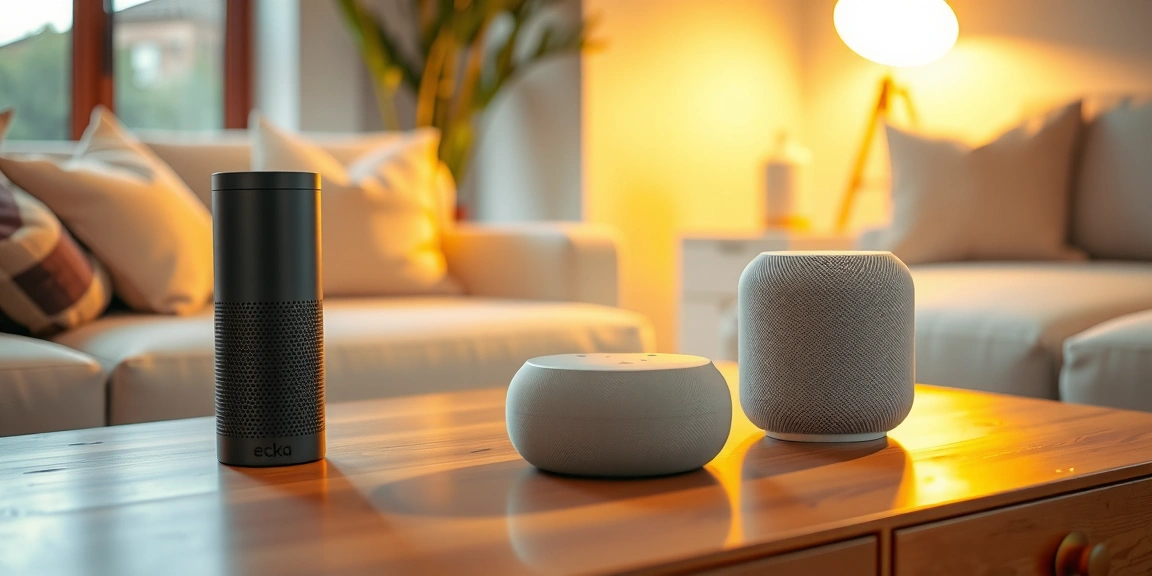
Smart Home Hubs Compared: Alexa vs Google Home vs Apple HomePod in 2024
Ecosystem Integration and Compatibility
- Amazon Alexa works with 100,000+ devices across brands; Google Home supports 10,000+ compatible devices; Apple HomePod integrates seamlessly with Apple ecosystem but limited third-party support
- Device pairing ease varies—Alexa requires individual setup, Google Home offers simplified multi-device onboarding, HomePod auto-detects HomeKit accessories
- Future-proofing considerations: evaluate which ecosystem aligns with devices you already own and plan to purchase
Voice Assistant Capabilities and Accuracy
- Alexa excels at smart home control and shopping; Google Assistant leads in contextual understanding and complex queries; Siri improves annually but remains narrower in scope
- Real-world accuracy: Google Home performs best in noisy environments; Alexa handles multiple simultaneous commands; HomePod requires clear diction
- Natural language processing varies—test voice commands specific to your daily routines before committing
Price, Hardware Options, and Entry Points
- Budget options: Echo Dot ($50), Google Nest Mini ($50), HomePod mini ($100)—significant price difference at entry level
- Premium choices: Echo Show 15 ($250), Google Nest Hub Max ($230), HomePod (discontinued but Max available)—compare screen size, audio quality, and camera features
- Total cost of ownership matters—factor in compatible devices needed to unlock full potential of each ecosystem
Privacy, Data Security, and User Control
- Amazon Alexa: voice recordings stored by default; opt-in privacy controls available; data used for targeted advertising
- Google Home: collects location and behavioral data; offers granular privacy settings; transparently shares data across Google services
- Apple HomePod: privacy-first approach with on-device processing; minimal data collection; premium price reflects privacy investment
Audio Quality and Entertainment Features
- HomePod delivers superior sound quality with spatial audio support; Alexa offers better value-to-sound ratio; Google Home performs adequately for casual listening
- Music service integration: all three support Spotify, Apple Music, Amazon Music—but Alexa offers superior multi-room audio sync
- Video calling and display features: Google Nest Hub Max and Echo Show excel; HomePod limited to FaceTime only
Automation, Routines, and Advanced Features
- Alexa Routines allow complex automation chains with nested conditions; Google Home automation is intuitive but less customizable; HomeKit Automation requires HomeKit hub (iPad, Apple TV, or HomePod mini)
- Third-party integration: Alexa supports IFTTT
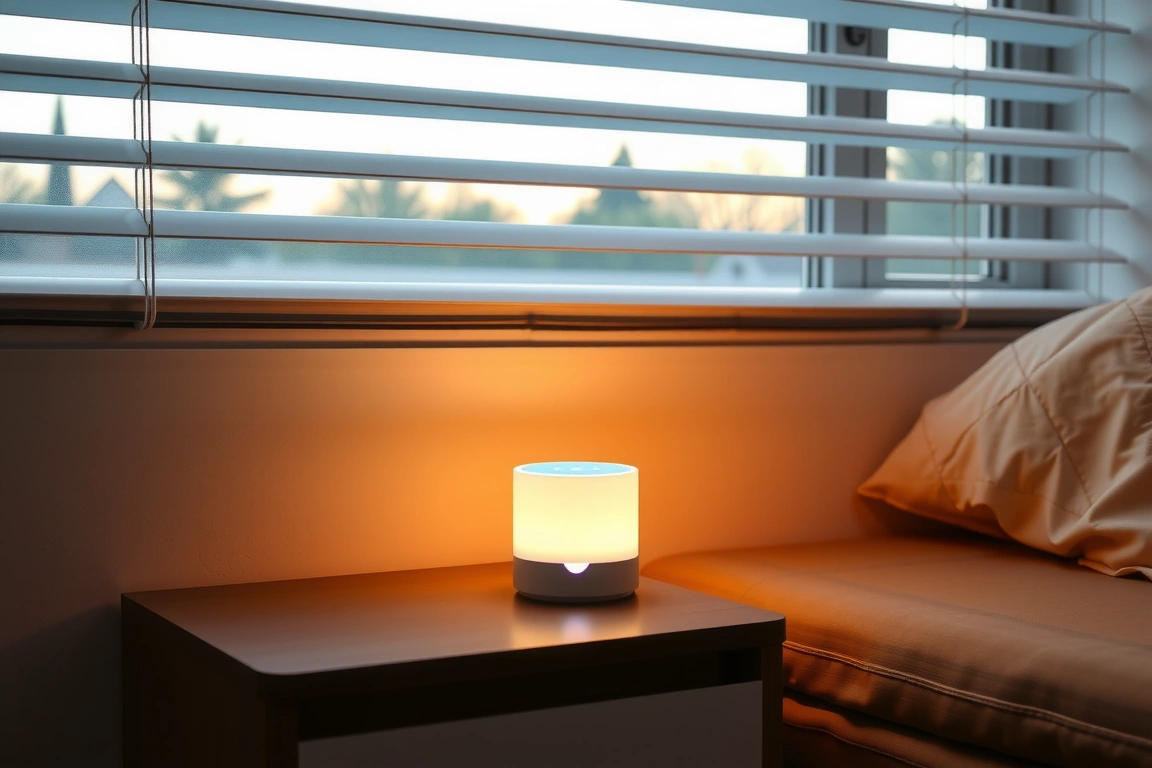
Automation, Routines, and Advanced Features 🔌 Editor’s Pick
Editor’s Pick: Smart speaker with a smart sensor kit and smart outlet for your starter hub.
Related: Alexa: alexa vs google home comparison: Choosing the Right Smart Home Hub
Related: Google Home: Alexa vs Google Home Comparison: Which Ecosystem Fits Your Smart Home?
Make Your Home Smarter
Device reviews, automations, and the deals worth grabbing.
Enjoyed this article?
Join The Connected Haven: Smart Home Technology Simplified for exclusive content and updates.
Subscribe Free