

Understanding Smart Home Voice Control Technology
How Voice Control Works in Smart Homes
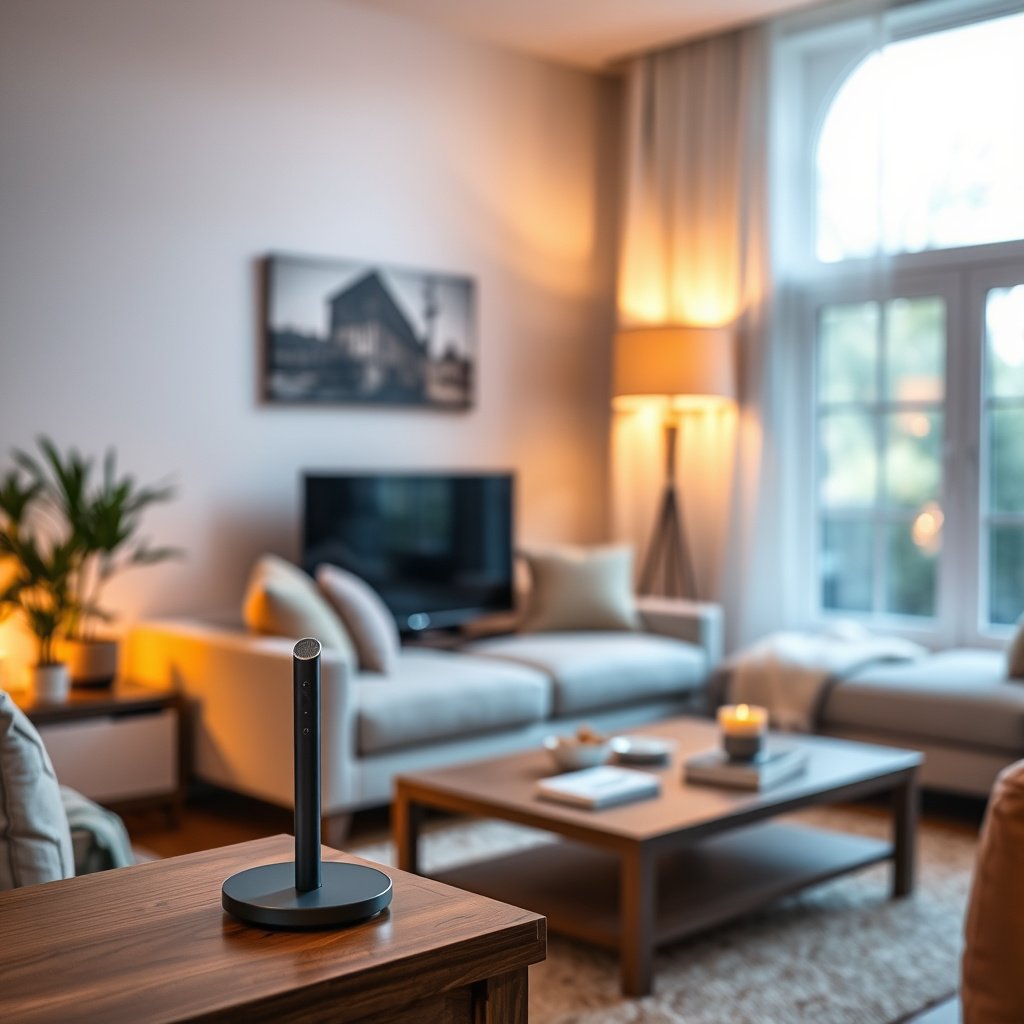
Imagine controlling your entire home with nothing more than the sound of your voice—this is the reality that smart home voice control has brought to millions of households worldwide. This sophisticated technology operates through advanced artificial intelligence and natural language processing systems that seamlessly convert spoken commands into actionable instructions for connected devices. When you speak to a voice assistant, your words are captured by built-in microphones, processed through cloud-based AI algorithms, and instantly translated into specific commands that your smart home devices understand and execute.
The technology relies on distinctive wake words or phrases like “Hey Google,” “Alexa,” or “Hey Siri” to activate the listening mode. Once activated, the system analyzes your speech patterns, identifies your intended action, and communicates with the appropriate IoT gadgets throughout your home. This seamless integration allows you to control everything from smart thermostats and lighting systems to security cameras and entertainment devices using nothing but your voice, transforming how you interact with your living space.
The Role of Natural Language Processing
Natural Language Processing (NLP) serves as the intelligent backbone of effective voice-controlled automation, enabling devices to understand context, intent, and nuanced commands with remarkable precision. Modern voice assistants excel at interpreting complex instructions like “Turn off all the lights in the living room except the reading lamp” or “Set the temperature to 72 degrees and play some relaxing music.” This advanced processing capability makes smart home voice control intuitive and user-friendly, eliminating the need to memorize specific command phrases or struggle with complicated syntax.
The continuous evolution of NLP technology means that voice assistants become increasingly accurate and responsive over time, learning from user interactions and adapting to individual speech patterns, accents, and preferences. This technological advancement ensures that voice-activated home control becomes progressively more reliable and personalized to each household's unique needs and communication styles.
Popular Voice Assistant Platforms
Amazon Alexa Ecosystem
Leading the charge in residential voice automation, Amazon Alexa stands as one of the most comprehensive smart home voice control platforms, supporting thousands of compatible devices across hundreds of brands. The Alexa ecosystem encompasses dedicated smart speakers like the Echo Dot, Echo Show, and Echo Studio, alongside seamless integration capabilities with third-party devices including smart TVs, soundbars, and even automobiles.
Alexa's dominance stems from its extensive Skills library, which allows users to expand functionality far beyond basic device control. These Skills enable voice control for specialized applications like ordering food, checking bank balances, or orchestrating complex automation routines. The platform's ability to create custom routines means users can trigger multiple actions with a single voice command, such as saying “Good morning” to turn on lights, start the coffee maker, and provide a weather update.
The comprehensive Alexa app serves as a central hub for managing connected devices, creating logical groups for easier control, and setting up sophisticated automation sequences. With features like Drop In for intercom functionality and multi-room audio synchronization, Alexa transforms individual smart home devices into a cohesive, voice-controlled ecosystem that responds to your every need.
Google Assistant Integration
Harnessing Google's unparalleled search expertise and machine learning capabilities, Google Assistant delivers highly contextual and conversational smart home voice control experiences. Available through Google Nest speakers, displays, and compatible smart home devices, Google Assistant excels at understanding follow-up questions and maintaining conversational context throughout extended interactions, making it feel more like speaking with an intelligent companion.
The platform's deep integration with Google services provides unique advantages, including seamless calendar management, real-time traffic updates based on your commute, and personalized recommendations. Google Assistant's ability to distinguish between different household members' voices enables truly personalized responses and secure access to individual accounts and preferences.
Google's innovative Continued Conversation feature facilitates more natural interactions by keeping the assistant active for follow-up commands without requiring the wake phrase each time. This capability, combined with interpreter mode and broadcast messaging, makes Google Assistant particularly effective for families seeking intuitive and responsive voice-controlled home automation.
Apple HomeKit and Siri
Prioritizing user privacy without compromising functionality, Apple's HomeKit platform emphasizes security and seamless integration while delivering sophisticated voice control through Siri across iPhone, iPad, Apple Watch, and HomePod devices. The platform's end-to-end encryption ensures that voice commands and smart home data remain completely secure and private, with much of the processing happening locally rather than in the cloud.
Siri's tight integration with HomeKit enables sophisticated scene control and automation through simple, natural voice commands. Users can create custom scenes like “Movie Night” that automatically dim lights, close smart blinds, and activate the entertainment system with a single phrase. The platform's unwavering focus on security extends to requiring authentication for sensitive actions like unlocking doors or disabling security systems.
HomeKit's greatest strength lies in its seamless integration across Apple's entire ecosystem, allowing users to control their smart home devices from any Apple device they own. The platform also supports intelligent automation based on location, time, and device status, creating a truly responsive home environment that anticipates user needs and preferences.
Compatible Smart Home Devices
Lighting and Electrical Control
Smart lighting represents the most popular and accessible gateway into voice-controlled home automation, offering immediate benefits and impressive convenience. Voice-compatible smart bulbs like Philips Hue, LIFX, and Sengled empower users to adjust brightness, change colors, and create custom lighting scenes through simple voice commands. These innovative devices can be controlled individually or grouped together for comprehensive whole-room or whole-house lighting management.
Smart switches and dimmers extend voice control capabilities to existing light fixtures without requiring bulb replacement, making upgrades both cost-effective and straightforward. Leading brands like Lutron Caseta, TP-Link Kasa, and Leviton offer voice-compatible switches that integrate seamlessly with major voice assistant platforms. These devices often include advanced scheduling capabilities, allowing users to create automated lighting routines that respond to daily patterns or special occasions.
Beyond basic on/off control, advanced lighting systems support sophisticated commands like “Set the kitchen lights to 50% brightness” or “Change the bedroom lights to blue.” Smart outlets and plugs further extend voice control to lamps, holiday decorations, and other electrical devices throughout the home, creating comprehensive electrical management through intuitive voice commands that transform how you interact with your living space.
Climate Control Systems
Voice-controlled thermostats revolutionize home comfort management by enabling precise temperature adjustments from anywhere in your home without interrupting your activities. Popular models like the Nest Learning Thermostat, Ecobee SmartThermostat, and Honeywell T9 support comprehensive voice commands for temperature changes, schedule modifications, and energy-saving mode activation.
These intelligent thermostats learn from user behavior and preferences, automatically adjusting temperatures based on occupancy patterns and external factors like weather conditions. Voice control adds an invaluable layer of convenience, enabling instant adjustments like “Set the temperature to 68 degrees” or “Turn on eco mode” without accessing a smartphone app or walking to the physical thermostat interface.
Advanced climate control systems extend beyond basic heating and cooling to include smart fans, air purifiers, and humidifiers. These interconnected devices can work together seamlessly through voice commands to create optimal indoor environments, such as saying “Improve air quality” to simultaneously activate air purifiers and adjust ventilation systems for maximum comfort and health.
Security and Monitoring Equipment
Voice-controlled security systems provide convenient access to home monitoring and protection features while maintaining rigorous security protocols that keep your family safe. Smart security cameras from trusted brands like Arlo, Ring, and Nest allow users to check live feeds, review recent recordings, and receive detailed status updates through voice commands, though sensitive actions appropriately require additional authentication for security.
Smart locks integrate seamlessly with voice control systems and keyless entry, enabling users to check lock status and, with proper security measures in place, manage access to their homes. Premium devices like August Smart Lock Pro, Yale Assure Lock, and Schlage Encode support voice queries about door status while requiring PIN codes or smartphone authentication for actual locking and unlocking operations.
Video doorbells and motion sensors provide voice-activated status reports and integrate with broader security routines for comprehensive protection. Users can inquire about recent activity, arm or disarm specific sensors, or activate vacation modes through simple voice commands, creating thorough security management that perfectly balances convenience with protection.
Setting Up Voice Control Systems
Initial Configuration and Device Pairing
Embarking on your smart home voice control journey begins with selecting and configuring your primary voice assistant device, whether it's an Amazon Echo, Google Nest speaker, or Apple HomePod. The streamlined initial setup process involves connecting the device to your home Wi-Fi network, creating or linking user accounts, and downloading the corresponding mobile app for comprehensive device management and customization.
Device pairing requires putting each smart home device into pairing mode and using your voice assistant's app to discover and connect the devices seamlessly. Most modern IoT gadgets support multiple voice platforms, providing users the flexibility to choose their preferred ecosystem or even set up multiple assistants for different areas of their home. The intuitive pairing process typically involves scanning for devices, confirming connections, and assigning descriptive names that will be used for voice commands.
Strategic room assignment and device grouping play crucial roles in creating an intuitive and efficient voice control experience. Organizing devices by location enables natural commands like “Turn off all bedroom lights” or “Set the living room to movie mode.” Implementing proper naming conventions ensures that voice commands are recognized accurately and consistently across all family members, creating a truly user-friendly smart home voice control system.
Network Requirements and Optimization
Reliable smart home voice control depends heavily on robust Wi-Fi network performance and adequate internet connectivity to ensure consistent responsiveness. Most voice assistants require constant internet access for cloud processing, while individual smart home devices need stable local network connections for immediate control responses. A high-quality mesh Wi-Fi system or strategically placed access points help ensure consistent coverage throughout your entire home.
Network optimization involves prioritizing smart home device traffic, ensuring adequate bandwidth for multiple simultaneous connections, and implementing quality of service (QoS) settings that maintain voice control responsiveness even during high network usage periods. Many modern routers include specific IoT device management features that can isolate smart home traffic and optimize performance for the best possible experience.
Critical security considerations include changing default passwords, enabling network encryption, and regularly updating device firmware to protect against potential vulnerabilities. Creating a separate network segment specifically for IoT gadgets can enhance both security and performance by isolating smart home traffic from personal devices and computers, ensuring your voice-controlled automation remains both secure and responsive.
Advanced Voice Commands and Automation
Creating Custom Routines and Scenes
Custom routines represent the pinnacle of smart home voice control sophistication, transforming simple voice commands into complex automation sequences that control multiple devices simultaneously with remarkable precision. These intelligent routines can be triggered by specific phrases, scheduled times, device status changes, or even sensor readings. For example, a comprehensive “Good Night” routine might lock doors, turn off all lights, set the thermostat to sleep mode, and arm the security system with a single voice command.
Scene creation empowers users to establish specific device configurations tailored for different activities or moods throughout their daily routines. A sophisticated “Dinner Party” scene might elegantly dim the dining room lights, play curated background music, and adjust the temperature to a comfortable level for entertaining guests. These scenes can be activated instantly through natural voice commands and easily modified as needs and preferences evolve.
Advanced routine capabilities include conditional logic, where actions depend on current device states or external factors like weather conditions and time of day. Users can create intelligent routines that only activate lights if it's after sunset, or that automatically adjust the thermostat based on outdoor temperature readings, creating truly responsive automation that adapts to changing circumstances and enhances daily living.
Multi-Room Audio and Whole-Home Integration
Multi-room audio systems enable sophisticated voice-controlled music playback throughout the entire home, with the remarkable ability to synchronize audio across multiple speakers or play different content in different rooms simultaneously. Advanced voice commands can specify where music should play, adjust volume levels in specific rooms, or seamlessly move audio from one area to another as users move through their home.
Comprehensive whole-home integration extends far beyond audio to create truly immersive voice control over every connected system in the house. This sophisticated integration allows for complex commands like “Start my workout” to automatically turn on energizing music in the home gym, adjust lighting for exercise, and activate air circulation systems. The seamless coordination between different device types creates an intelligent environment that anticipates and responds to user activities throughout the day.
Innovative intercom functionality transforms voice assistants into sophisticated communication systems that connect different rooms and even remote locations. Users can make house-wide announcements, send messages between rooms, or check in with family members using simple voice commands, adding a new dimension to smart home connectivity and convenience that enhances family communication and home management.
Privacy and Security Considerations
Data Protection and Voice Recording Management
Voice control systems necessarily collect and process audio data to function effectively, making privacy protection an absolutely critical consideration for smart home users. Most major platforms provide comprehensive user controls for managing voice recordings, including options to review, delete, or prevent storage of voice interactions. Understanding these privacy settings thoroughly and configuring them according to personal preferences helps balance functionality with robust privacy protection.
Modern voice assistants increasingly offer options to process certain commands locally rather than sending audio to cloud servers, significantly reducing privacy exposure while maintaining full functionality. Features like on-device processing for common commands and the ability to mute microphones when privacy is desired provide additional layers of control over data collection and usage.
Regular privacy audits involve systematically reviewing stored voice recordings, checking sharing permissions, and ensuring that third-party skills or applications maintain appropriate access levels. Many platforms now provide transparent privacy dashboards that clearly show what data is being collected and how it's being used, empowering users to make informed decisions about their smart home voice control setup and data management preferences.
Securing Your Voice-Controlled Smart Home
Network security forms the critical foundation of a secure voice-controlled smart home, requiring strong Wi-Fi passwords, regular router firmware updates, and strategic network segmentation to isolate IoT devices from sensitive personal data. Implementing a dedicated guest network for smart home devices can provide additional security layers while maintaining full functionality and convenience.
Device-level security involves systematically changing default passwords, enabling two-factor authentication wherever available, and maintaining current firmware across all connected devices in your ecosystem. Regular comprehensive security audits help identify potentially vulnerable devices and ensure that critical security updates are applied promptly across the entire smart home network.
Advanced voice recognition and user authentication features add important security layers by ensuring that sensitive commands can only be executed by authorized household members. These sophisticated features prevent unauthorized access through recorded audio or casual visitors while preserving the convenience that makes voice control so appealing for daily home management and automation.
Transform your home into an intelligent, responsive environment that anticipates your needs and simplifies your daily routines. Whether you're starting with a single smart speaker or planning a comprehensive whole-home automation system, smart home voice control technology offers unprecedented convenience, security, and efficiency. Take the first step toward creating your perfect smart home ecosystem today—your future self will thank you for embracing this revolutionary technology that's reshaping how we interact with our living spaces.