

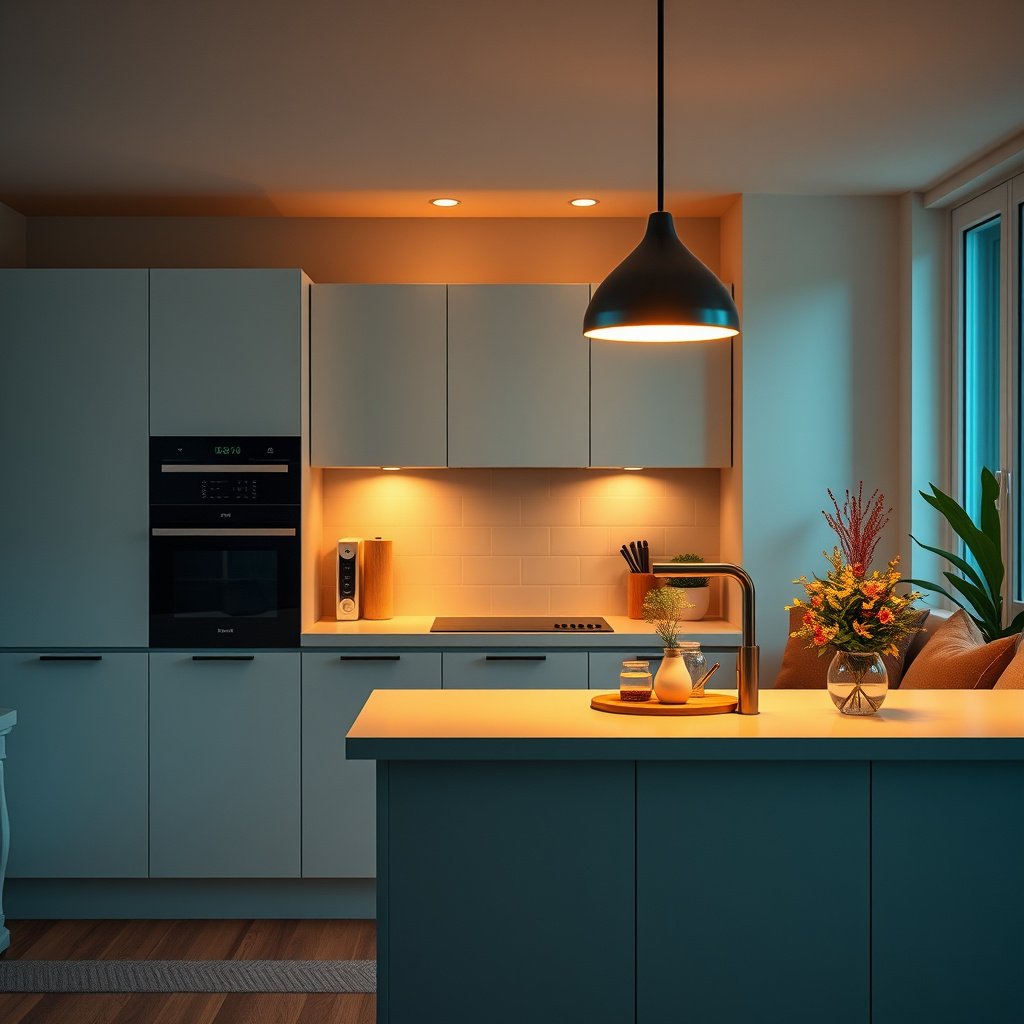
Let me start with a confession: I never thought I'd be that parent obsessing over appliances. But here I am. Three years into our smart home journey, and I can't imagine going back to our old kitchen setup.
The numbers don't lie – 73% of homeowners are planning to upgrade to smart appliances. After living with them daily? I understand why. These aren't just fancy gadgets with touchscreens. We're talking about internet-connected devices that genuinely make family life easier, from managing grocery lists to ensuring dinner's ready when soccer practice ends.
Smart kitchen appliances use IoT technology to connect, learn, and adapt to your family's routines. They'll save you money on groceries, reduce energy bills, and honestly? They've made me a better cook.
My kids actually ask to help in the kitchen now because everything feels more interactive and engaging.
Let's dive into how these technologies can transform your culinary space and streamline your family's daily chaos.

What Are Smart Kitchen Appliances?
Think of smart kitchen appliances as your traditional appliances' tech-savvy cousins. They're internet-connected devices packed with advanced sensors that can communicate with your smartphone, voice assistants, and each other.
Core Technologies Behind Smart Appliances
When we started researching smart appliances, I was overwhelmed by all the technical jargon. Here's what actually matters:
WiFi connectivity lets you control appliances remotely. I can preheat the oven from the grocery store or check if someone left the refrigerator door open from my office. Voice control integration means my hands-free lifestyle during meal prep – crucial when you're juggling three kids' dinner preferences.
Smartphone apps serve as command centers for each appliance. Our smart refrigerator app shows what's inside without opening the door. The dishwasher app tells me when a cycle's complete and if we're low on rinse aid.
Advanced sensors make these appliances intelligent. Our smart oven knows when cookies are perfectly golden. The coffee maker adjusts brewing time based on humidity levels.
How Smart Appliances Differ from Traditional Models
The difference isn't just about having a screen. Traditional appliances do one job – they heat, cool, or clean.
Smart appliances learn and adapt.
Our old refrigerator kept food cold. Our smart fridge tracks expiration dates, suggests recipes based on what's inside, and automatically orders milk when we're running low. The learning curve was about two weeks, and now it feels essential.
The Role of AI and Machine Learning
This is where things get really interesting. AI isn't just a buzzword here – it's actively making our kitchen smarter every day.
Our smart oven learned that we prefer our frozen pizza slightly crispier than package directions suggest. It now automatically adjusts cooking time. The coffee maker knows my husband drinks two cups every morning and my teenage daughter needs her iced coffee ready by 7:15 AM.
These systems collect data about your preferences and habits, then optimize performance accordingly. It's like having a kitchen assistant who never forgets how you like things done.

Top Categories of Smart Kitchen Appliances
Smart Refrigerators
Smart refrigerators were our first major purchase, and they're probably the most impressive category. Ours tracks inventory using internal cameras, sends expiration alerts, and integrates with our grocery delivery service.
The Samsung Family Hub we chose has become our kitchen's command center. The kids leave digital notes, we display the family calendar, and it streams music during dinner prep.
LG's InstaView models offer similar features with their signature knock-to-see-inside glass panels.
Key features that matter:
- Internal cameras for remote viewing
- Expiration date tracking
- Automatic grocery list generation
- Energy usage optimization
- Family communication hub capabilities
Intelligent Cooking Appliances
Smart ovens and ranges have revolutionized our dinner routine. Our June oven recognizes foods using its internal camera and suggests optimal cooking settings. It's eliminated the guesswork from roasting vegetables and baking.
Smart dishwashers like our KitchenAid model sense how dirty dishes are and adjust water usage accordingly. We've seen a noticeable drop in our water bill. Plus it sends maintenance reminders before problems develop.
Standout features:
- Precise temperature control (±1°F accuracy)
- Recipe guidance with step-by-step instructions
- Remote preheating and monitoring
- Load sensing for optimal resource usage
- Predictive maintenance alerts
Connected Small Appliances
Don't overlook small appliances – they're often the most immediately useful smart additions. Our Ninja smart coffee maker starts brewing when my alarm goes off. The Instant Pot Smart has made meal planning so much easier.
The Anova sous vide device taught our family precision cooking techniques we never would have attempted otherwise. My 12-year-old now makes restaurant-quality chicken using the app's guided recipes.
Smart Kitchen Management Systems
Voice-controlled displays and smart lighting round out the ecosystem. Our Amazon Echo Show acts as a recipe display and timer hub during cooking.
Smart under-cabinet lighting automatically brightens when motion is detected. Perfect for early morning coffee runs.
Smart faucets with touchless operation have been fantastic for food safety and convenience, especially when handling raw meat or having flour-covered hands.

Key Benefits of Smart Kitchen Appliances
Enhanced Convenience and Time Management
The time savings are real and measurable. I can start dinner from work, ensuring it's ready when we walk in the door. No more rushing home to preheat ovens or starting meal prep from scratch at 6 PM.
Our morning routine flows so much smoother now. Coffee's ready, the kitchen's lit, and I can check what's for dinner while eating breakfast.
These small conveniences add up to significant stress reduction.
Energy Efficiency and Cost Savings
We've seen a 30% reduction in our kitchen energy usage since upgrading. Smart appliances optimize their operation automatically – refrigerators adjust cooling cycles based on usage patterns, dishwashers run during off-peak energy hours, and ovens preheat only when needed.
Our smart dishwasher uses 40% less water than our old model by precisely measuring soil levels and adjusting accordingly. That's real money saved every month.
Improved Food Safety and Quality
Temperature monitoring has eliminated food safety guesswork. Our smart thermometer alerts me when meat reaches perfect doneness. The refrigerator warns us if temperatures fluctuate unexpectedly.
Food waste has dropped dramatically. The fridge tracks expiration dates and suggests recipes using items that need to be consumed soon. We estimate we're saving $150 monthly on groceries just through better inventory management.
Accessibility and Universal Design
These features weren't initially why we upgraded, but they've proven invaluable. Voice control helps when hands are messy or full. Large, clear displays are easier for older family members to read.
My mother-in-law, who struggled with our old oven's tiny buttons, now confidently uses voice commands to set timers and adjust temperatures.
Best Smart Kitchen Appliances by Category
Premium Smart Refrigerators (2024 Top Picks)
Samsung Family Hub Series remains our top choice for families. The 21.5-inch touchscreen serves as a digital command center. The internal cameras actually work reliably. Price range: $2,500-$4,500.
LG InstaView ThinQ models offer excellent energy efficiency and their knock-twice glass feature is surprisingly useful. The app interface is intuitive, and integration with LG's other appliances creates seamless automation.
Price range: $2,200-$3,800.
GE Profile Smart Series provides solid performance at a more accessible price point. Features are more basic but reliable, making them perfect for smart home beginners. Price range: $1,800-$3,200.
Smart Cooking Appliances Worth the Investment
June Intelligent Oven ($599) changed how our family approaches baking and roasting. Its food recognition technology works about 85% of the time. When it does? Results are consistently excellent.
Wolf Smart Ranges ($3,000-$8,000) represent the premium tier. If you're serious about cooking, the precision and reliability justify the investment. The smartphone controls are responsive, and temperature accuracy is remarkable.
Tovala Smart Steam Oven ($349) bridges the gap between convenience and quality. It scans meal kit barcodes and adjusts cooking parameters automatically. Perfect for busy families who want healthy, home-cooked meals without the prep time.
Must-Have Connected Small Appliances
Breville Precision Brewer Smart ($300) produces café-quality coffee and learns your preferences over time. The app lets you customize every variable, but preset options work perfectly out of the box.
Anova Precision Sous Vide ($80-$200) democratized restaurant-quality cooking techniques. The app's guided recipes eliminated intimidation factor. Results are consistently impressive.
Ninja Foodi Smart XL Pro ($250) combines pressure cooking, air frying, and smart controls. Its app includes meal planning features and grocery list integration that streamline weekly food prep.
Budget-Friendly Smart Kitchen Solutions
You don't need to spend thousands to start building a smart kitchen. Amazon Smart Plugs ($25 each) can make traditional appliances controllable via voice commands or scheduling.
Smart lighting starter kits ($50-$100) transform kitchen ambiance and functionality. Motion-activated under-cabinet lighting feels luxurious but costs less than a nice dinner out.
Wyze smart displays ($70-$100) provide voice control and recipe access without premium pricing. They integrate well with most smart home ecosystems.
Installation and Setup Guide
Network Requirements and WiFi Setup
Before ordering anything, assess your WiFi coverage in the kitchen. Smart appliances need consistent, strong signals.
We upgraded to a mesh network system when our old router couldn't reliably reach the refrigerator.
Minimum requirements:
- 2.4GHz WiFi network (most appliances don't use 5GHz)
- 10 Mbps download speed (more if multiple devices operate simultaneously)
- Strong password protection (WPA3 preferred)
App Installation and Device Pairing
Each manufacturer requires their own app, which gets overwhelming quickly. I recommend setting up one appliance category at a time rather than everything simultaneously.
Setup process typically involves:
Most pairing processes take 10-15 minutes per appliance. Samsung and LG have the most polished setup experiences. Some smaller brands require more patience.
Integration with Smart Home Ecosystems
We use Amazon Alexa as our primary voice assistant, and most major appliances integrate seamlessly. Google Assistant and Apple HomeKit support varies by manufacturer.
Voice integration advantages:
- Hands-free operation during cooking
- Easy timer management
- Quick status checks
- Integration with whole-home routines
Troubleshooting Common Setup Issues
WiFi connectivity problems are most common. Try moving your router closer during setup, then return it to normal position. Many appliances struggle with WiFi networks that have special characters in passwords.
App crashes during setup usually resolve by force-closing and restarting the app. If problems persist? Try setup on a different device or contact manufacturer support.
Smart Kitchen Ecosystem Integration
Creating a Cohesive Smart Kitchen
The magic happens when appliances work together. Our morning routine showcases this: motion sensor triggers under-cabinet lighting, coffee maker starts brewing, and kitchen display shows weather and calendar events.
Planning considerations:
- Choose a primary voice assistant platform
- Prioritize appliances that communicate with each other
- Consider staying within manufacturer families for better integration
- Plan for future additions when making initial purchases
Voice Control and Automation Scenarios
Voice control shines during active cooking when hands are busy. Our most-used commands:
- “Alexa, preheat the oven to 375”
- “Set a 12-minute timer for pasta”
- “What's in the refrigerator?”
- “Add milk to the grocery list”
- “Start the dishwasher in 30 minutes”
Custom routines we've created:
- “Good morning” routine: starts coffee, displays weather, reads calendar
- “Dinner prep” routine: adjusts lighting, starts playlist, preheats oven
- “Cleanup time” routine: starts dishwasher, turns off oven, dims lights
Data Sharing and Privacy Considerations
Smart appliances collect significant data about your habits. Read privacy policies carefully and adjust sharing settings to your comfort level.
Privacy best practices:
- Use strong, unique passwords for each manufacturer account
- Enable two-factor authentication where available
- Review data sharing settings quarterly
- Understand what data is stored locally vs. cloud-based
- Keep firmware updated for security patches
Cost Analysis and ROI
Initial Investment Breakdown
Smart appliance premiums typically range from 20-40% over comparable traditional models. Our complete kitchen upgrade cost approximately $12,000 more than traditional equivalents.
We spread that over two years.
Category pricing overview:
- Smart refrigerators: $1,800-$4,500
- Smart ovens: $600-$8,000
- Smart dishwashers: $800-$2,500
- Small appliances: $80-$600 each
Long-term Savings and Value Proposition
Our energy bills dropped $35 monthly after upgrading. Food waste reduction saves approximately $125 monthly through better inventory management and meal planning.
Measurable savings:
- Energy costs: 20-30% reduction
- Water usage: 35% reduction (smart dishwasher)
- Food waste: $1,200-$1,800 annually
- Time savings: 4-6 hours weekly (valued conservatively at $15/hour)
Return on investment timeline: 3-5 years for most appliance categories. Considering energy savings, reduced food waste, and time value.
Financing and Purchase Strategies
Many manufacturers offer 0% financing for 12-24 months. We took advantage of these programs to spread costs while earning cash back through credit card rewards.
Money-saving strategies:
- Shop during major sales events (Memorial Day, Labor Day, Black Friday)
- Look for utility company rebates (many offer $50-$200 per Energy Star smart appliance)
- Consider open-box or floor model discounts
- Bundle purchases for manufacturer incentives
Maintenance and Troubleshooting
Regular Maintenance for Smart Appliances
Smart appliances require similar basic maintenance as traditional models, plus some digital upkeep. Clean touchscreens weekly with microfiber cloths and approved cleaners.
Monthly maintenance tasks:
- Check for software updates
- Clean sensors and cameras
- Review energy usage reports
- Test voice command responsiveness
- Verify WiFi connection strength
Software Updates and Security
Enable automatic updates when possible, but monitor them closely initially. Occasionally updates change interfaces or remove features.
Our refrigerator update once reset all custom settings. That taught us to document preferences.
Security maintenance:
- Change default passwords immediately
- Update firmware promptly
- Monitor connected device lists in router settings
- Review manufacturer security bulletins
- Isolate smart appliances on separate network if security is paramount
Common Issues and Solutions
Connectivity drops happen occasionally. Most resolve by unplugging the appliance for 30 seconds, then reconnecting. Persistent issues often indicate router placement or network congestion problems.
App synchronization problems usually clear up within 24 hours. If not? Delete and reinstall the app, then re-pair the device.
Voice command failures often stem from ambient noise or unclear pronunciation. Speak clearly and eliminate background sounds when teaching voice assistants new commands.
Future Trends and Innovations
Emerging Technologies in Smart Kitchens
The next generation of smart kitchens looks incredibly promising. AI-powered meal planning will soon analyze family health goals, dietary restrictions, and preferences to automatically plan meals and order ingredients.
Augmented reality interfaces are being tested by major manufacturers. Imagine pointing your phone at ingredients and seeing recipe suggestions overlay on your screen. Or getting visual guidance for knife skills.
Sustainability and Environmental Impact
Environmental consciousness is driving innovation. New smart appliances monitor carbon footprints and suggest eco-friendly alternatives. Some integrate with home solar systems to optimize energy usage during peak production hours.
Sustainable features emerging:
- Carbon footprint tracking and reduction suggestions
- Integration with renewable energy systems
- Recyclable and biodegradable component design
- Water conservation optimization
- Food waste composting integration
The Next Generation of Kitchen AI
Predictive maintenance will eliminate unexpected breakdowns. Appliances will order their own replacement parts and schedule service appointments before problems develop.
Advanced food recognition will expand beyond simple identification to nutritional analysis and freshness assessment. Your refrigerator might soon suggest personalized meal modifications based on family members' health data.
5G connectivity will enable real-time video cooking lessons with celebrity chefs. Your appliances automatically adjust to match demonstration techniques.
Ready to Transform Your Kitchen?
Smart kitchen appliances represent more than technological upgrades – they're investments in family convenience, sustainability, and culinary creativity. The key benefits – time savings, energy efficiency, and enhanced cooking experiences – compound over time as you integrate more devices and learn to leverage their capabilities.
My recommendation? Start small.
Choose one appliance category that addresses your biggest kitchen pain point. For us, it was the smart refrigerator that solved our grocery planning chaos. For you, it might be a smart oven for more consistent baking results. Or a smart coffee maker for effortless morning routines.
Don't feel pressured to transform everything at once. Build your smart kitchen incrementally, learning each system thoroughly before adding complexity. The investment pays dividends in reduced stress, better meals, and more time with family.
Your future self will thank you for taking the first step toward a truly connected kitchen. Start by identifying your family's specific needs. Research options thoroughly. And don't hesitate to consult professionals for major appliance installations.
The kitchen revolution isn't coming – it's here. The question isn't whether smart appliances are worth it. The real question? Which ones will transform your family's daily routine first.