
3 min read 700 words
Table of Contents
Last updated:
Disclosure: TheConnectedHaven may earn a commission from qualifying purchases through affiliate links in this article. This helps support our work at no additional cost to you. Learn more.
Last updated: September 28, 2026
“`html
Amazon Alexa vs. Google Home vs. Apple HomeKit: Which Smart Home Ecosystem Wins in 2024?
1. Device Compatibility and Ecosystem Reach
- Alexa leads the pack with over 140,000 compatible smart home devices, from budget-friendly plugs to high-end security systems — making it the most versatile option for mixed-brand setups.
- Google Home works seamlessly with Nest products and major brands like Philips Hue, but struggles with niche devices and lacks the sheer breadth of Alexa.
- Apple HomeKit offers the most curated and secure experience, but the “Works with Apple Home” certification limits options to fewer, often pricier, devices.
2. Voice Assistant Intelligence and Natural Language Processing
- Google Assistant excels at understanding conversational queries, follow-up questions, and context — ideal for hands-free research, weather updates, and calendar management.
- Alexa is catching up rapidly with newer AI models, but still occasionally misinterprets complex or multi-step commands compared to Google.
- Siri lags noticeably in natural language understanding and contextual awareness, often requiring exact phrasing for reliable execution.
3. Automation, Routines, and Advanced Features
- Alexa offers the most powerful routine builder with “Alexa Guard”, “Hunches”, and third-party skill integrations — enabling conditional triggers like sunset, doorbell ring, or motion detection.
- Google Home provides solid routine options with “Home & Away” automation, but lacks the depth of IFTTT or custom scripting found in Alexa.
- Apple HomeKit automations are simple and ultra-reliable via the Home app, but advanced users will find the lack of complex conditional logic limiting without third-party apps like Controller.
4. Privacy, Security, and Data Control
- Apple HomeKit is the gold standard for privacy — all communication is encrypted end-to-end, and no voice recordings leave your devices without explicit consent.
- Google Home processes voice data in the cloud and uses it for advertising insights, though users can delete history and pause recording via the privacy dashboard.
- Alexa also sends voice clips to Amazon servers, with options to auto-delete history, but has faced past controversies around staff listening to recordings even with minimal opt-out friction.
5. User Experience: Setup, App Interface, and Daily Use
- Google Home wins for beginners — the app is clean, guided, and integrates Google services (Calendar, Maps, YouTube) effortlessly for a unified experience.
- Alexa is powerful but can feel cluttered with features, ads for skills, and a busy interface that overwhelms new users.
- Apple HomeKit offers a minimalist, native feel for iOS users with rock-solid reliability, but the
🔌 Editor’s Pick
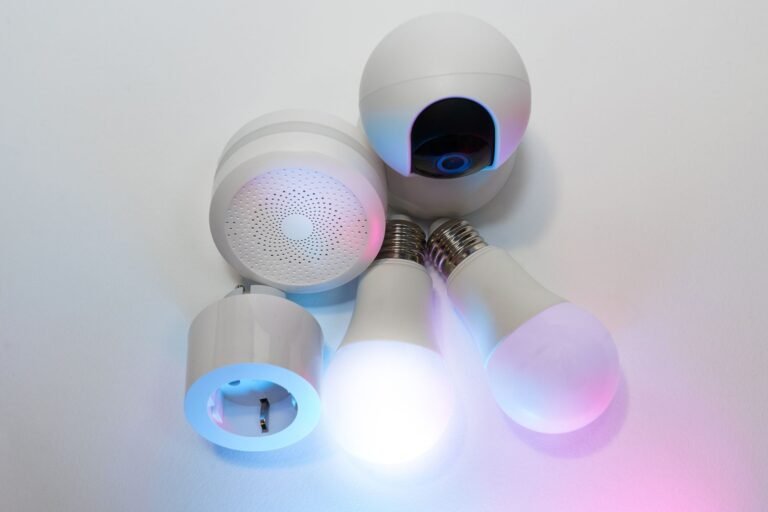
Editor’s Pick: A smart speaker and sensor kit with a smart outlet for the easiest starter system.
Related: Google Home: Alexa vs Google Home Comparison: Which Ecosystem Fits Your Smart Home?
Make Your Home Smarter
Device reviews, automations, and the deals worth grabbing.
Enjoyed this article?
Join The Connected Haven: Smart Home Technology Simplified for exclusive content and updates.
Subscribe Free